
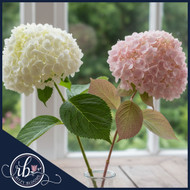
Hydrangeas are loved for their full, romantic blooms and wide range of colors. Whether featured in a bouquet or a home arrangement, their lush texture makes a bold statement. However, fresh hydrangeas fade quickly, which is why many floral enthusiasts seek ways to preserve them. One of the most effective methods is keeping them with a mixture of glycerine and water.
Why Use Glycerine to Preserve Hydrangeas
Glycerine works by replacing the flower’s natural moisture with a soft, flexible substance that helps petals and leaves stay pliable instead of brittle. The result is a hydrangea that feels slightly leathery, retains its shape, and appears naturally aged with beautiful, muted tones.
The Best Hydrangea Varieties for Glycerine Preservation
Not all hydrangeas react the same to the glycerine process. Some types absorb the solution more effectively and maintain their structure longer. These are the top-performing varieties:
- Hydrangea macrophylla (Bigleaf Hydrangea)
Also known as mophead or lacecap, these are the best overall choice for preserving. Mature blooms with slightly papery petals, not freshly opened ones, work best. They often keep soft pastel versions of their original colors, such as muted blues, greens, and pinks, after preservation. - Hydrangea paniculata (Panicle Hydrangea)
Varieties like ‘Limelight,’ ‘PeeGee,’ and ‘Vanilla Strawberry’ are excellent for glycerine treatments. Their thicker petals and cone-shaped clusters absorb evenly and dry into elegant beige, champagne, or antique-green tones. - Hydrangea quercifolia (Oakleaf Hydrangea)
These have a beautiful, textured look and turn golden or bronze when preserved. They are ideal for autumn-inspired preserved arrangements and dried wreaths.
Hydrangeas That Do Not Preserve Well
While most hardy garden varieties respond well to glycerine, standard florist or supermarket hydrangeas usually fail. These are typically Hydrangea macrophylla hybrids bred for fast blooming and vivid color rather than durability. Their stems are often treated with floral preservatives or dyes that block the glycerine from being absorbed.
Avoid using:
- Fresh-cut hydrangeas from grocery stores or floral coolers often wilt and rot instead of absorbing water.
- Dyed or tinted hydrangeas, because the color will bleed or darken unevenly
- Hydrangea arborescens (Annabelle type), because the petals are too thin and collapse easily
- Overly young or freshly cut blooms, because they are too hydrated and cannot absorb glycerine efficiently
If you are harvesting from your garden, wait until the flowers begin to show signs of aging. The petals should feel papery to the touch but not crisp.
Step-by-Step: How to Preserve Hydrangeas with Glycerine and Water
- Prepare the Solution
Mix one part glycerine with two parts warm water. Stir well until thoroughly blended. - Trim and Prepare the Stems
Remove all leaves and recut the stems at an angle. Lightly crush the bottom inch of each stem to help absorption. - Soak
Place the stems in the solution for two to three weeks. Keep them out of direct sunlight and heat. - Dry and Display
When the petals feel soft and leathery, remove the blooms and let them air-dry for a few days. Their color will deepen to natural shades of taupe, green, or rose.
Helpful Tips for Best Results
- Use filtered or distilled water to prevent mineral stains.
- Avoid refrigeration or strong AC airflow while preserving, since steady, mild room temperature is ideal.
- Add a drop of food dye or floral tint to customize the final color.
At Ritzy Blooms, we have extensively tested various hydrangea types for use in preserved arrangements. The best results always come from garden-grown varieties, especially mature Bigleaf and Paniculata hydrangeas. Store-bought standard hydrangeas may look tempting, but they rarely work for preservation because they do not absorb the glycerine solution the same way.
If you want to create long-lasting floral art or preserved centerpieces, choose your hydrangeas wisely and let nature’s texture shine long after the fresh bloom fades.